Pizza is one of the world’s most beloved foods, and with billions of pizzas consumed each year, the amount of pizza-box waste is enormous. This raises an important question for environmentally conscious consumers: Can you recycle pizza boxes?
While the short answer is “sometimes,” the full explanation is far more nuanced. Whether a pizza box is recyclable depends heavily on its material, level of contamination, and local recycling guidelines. Understanding these factors is key to reducing waste and ensuring more materials get recovered rather than sent to landfills.
This article explores the composition of pizza boxes, the challenges of recycling them, proper disposal methods, and eco-friendly alternatives that help reduce environmental impact.
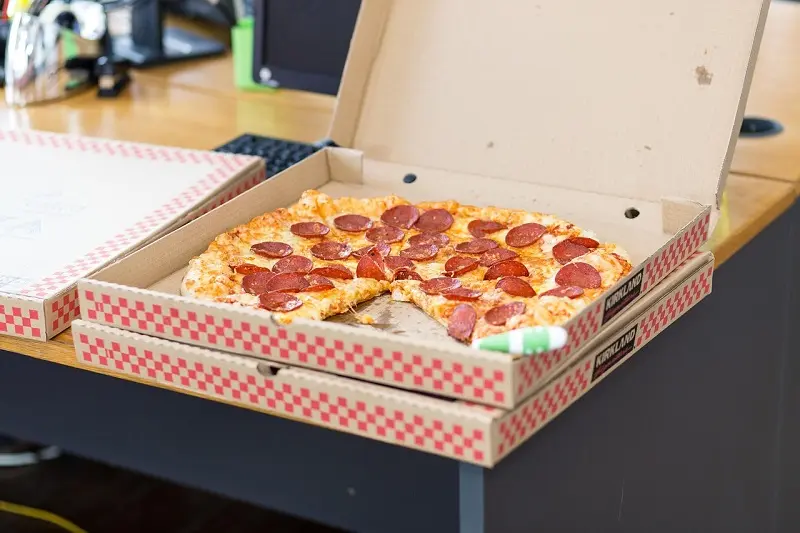
Pizza boxes are generally made from corrugated cardboard, a form of paper-based packaging known for its strength, low weight, and cost-effectiveness.
Corrugated cardboard consists of three layers:
a) The Linerboard: These are the flat sheets of paper on the outside and inside surfaces of the box.
b) The Medium: This is the wavy, fluted sheet of paper glued between the linerboards.
In theory, corrugated cardboard is 100% recyclable. It is one of the most commonly recycled materials in household recycling streams because it can easily be pulped and turned into new paper products, such as paperboard, fiberboard, or even new cardboard boxes.
However, although the material itself is recyclable, its condition after holding a greasy pizza is what ultimately determines whether it can enter the recycling stream.
Why Corrugated Cardboard Matters?
a) It is widely accepted by recycling services.
b) Recycled cardboard reduces the need for virgin wood pulp.
c) It is energy-efficient to process.
d) It contributes to circular economy goals.
So, if the material itself is highly sought after, why is recycling pizza boxes complicated?
At first glance, a pizza box seems like just another cardboard container. But recycling centers often consider it a special case due to two specific contamination issues: grease and food residue.
To understand why grease is such a problem, you have to look at how paper is recycled. When your recycling truck picks up your cardboard, it is taken to a Materials Recovery Facility (MRF). There, it is sorted, baled, and shipped to a paper mill.
At the paper mill, the cardboard is not melted down like glass, plastic, or metal. Instead, it is dumped into a giant vat called a "hydro-pulper." Think of this as a massive industrial blender filled with warm water and chemicals. The goal is to churn the cardboard until it breaks down into a slurry of fibers (oatmeal consistency) called pulp.
During this pulping process, the mixture is spun rapidly to separate foreign objects. Heavy items like staples fall to the bottom, and light items like plastic tape float to the top and are skimmed off.
Here lies the issue. When a pizza box is covered in grease and cheese oil, that oil is hydrophobic. It does not dissolve in the water. Instead of separating from the fibers, the oil clings to them.
When the water is squeezed out of the pulp to make new paper sheets, the oil remains. This results in "oil spots" or weak points in the new paper. In severe cases, the oil can coat the machinery, causing massive shutdowns for cleaning. Because of this, paper mills have historically strict standards regarding contamination.
If a batch of recycling is too contaminated with food residue or grease, the entire bale might be rejected and sent to the landfill. This is why many recycling services have traditionally told consumers a strict "no" when asked, "Do you recycle pizza boxes?"
Leftover crusts, melted cheese, sauce toppings, or crumbs cannot be processed in recycling facilities. Food contamination leads to:
a. foul odors
b. mold
c. pests during storage
d. difficulty in producing clean recycled materials.
Different municipalities set different contamination thresholds. Some accept lightly soiled pizza boxes, while others reject them altogether. This inconsistency contributes to public confusion.
So, can pizza boxes be recycled? The answer is generally yes, but it depends heavily on the condition of the box. You cannot simply throw the whole thing in without looking.
Here are the scenarios where the answer is a definitive YES:
1. It is free of food residue.
2. It has no large grease stains.
3. Only the top portion is clean (you can tear it off and recycle it).
4. Any grease is light and localized rather than soaked through.
1. Open the box fully.
2. Look for grease spots. Light stains are usually okay.
3. Check for solid food remnants. Remove all crumbs or cheese.
4. Tear off any dirty sections—recycle the clean parts.
5. Avoid recycling liners if they are waxed or coated.
If the clean portion is at least 50% of the box, recycling the uncontaminated cardboard still makes a positive impact.
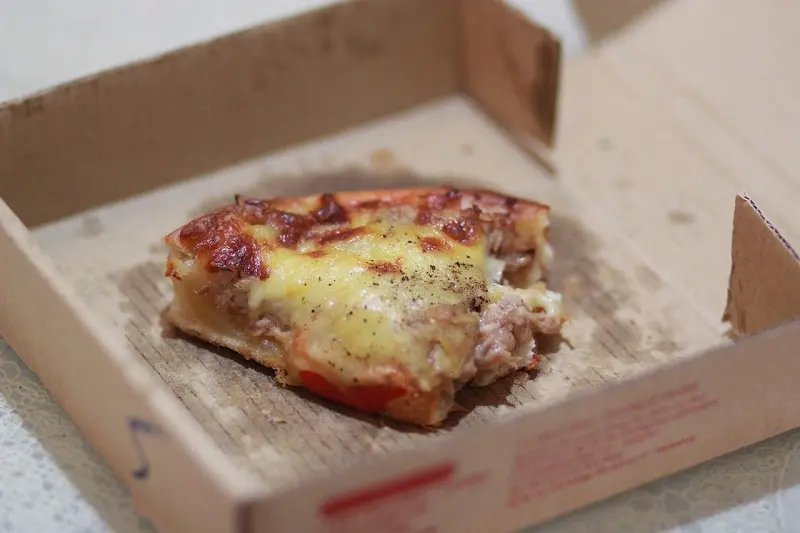
Pizza boxes must not be recycled when they are significantly contaminated. Recycling centers often reject the following:
If oil has saturated the cardboard, making it soft or discolored, it cannot be processed.
Sticky food cannot be separated during pulping. Even a few chunks of cheese can contaminate recycling batches.
Some specialty pizza boxes or inner liners have coatings that interfere with recycling unless specifically accepted by local facilities.
Moisture damages fiber integrity and encourages contamination.
If in doubt, rip the clean part off. The greasy or food-covered portion should not enter recycling.
Proper disposal depends on the level of contamination and whether your local recycling service accepts pizza boxes. Below is a practical, step-by-step guide on how to handle pizza boxes in different conditions.
This is the standard procedure for the average pizza box.
1) Empty the Box: Remove all crusts, plastic "tables" (pizza savers), sauce cups, and wax paper liners. The box must be empty.
2) Remove Accessories: plastic pizza savers, wax paper, aluminum foil, dipping sauce cups. These cannot be recycled with cardboard.
3) Separate: If the bottom is greasy but the top is clean, tear the box in half at the hinge. This is the golden rule of pizza box disposal.
4) Recycle the Clean Part: Place the clean lid in your recycling bin.
5) Trash or Compost the Dirty Part: Take the greasy bottom and dispose of it via one of the methods below.
6) Flatten: Always break down and flatten your cardboard to save space in the truck and bin.
7) Place in the Proper Recycling Bin: Make sure cardboard is separated according to your local recycling rules.
If you are asking, "can used pizza boxes be recycled if they are greasy?" the answer is no for the recycling bin, but a resounding YES for the compost bin.
Use composting when:
1) The box is too greasy to recycle but free of large food chunks,
2) Your municipality or home compost system accepts cardboard.
3) The box is uncoated cardboard.
Grease and oil are organic materials. While they ruin the paper-making process, they break down perfectly in a composting environment.
1) Industrial Composting: If your city offers "green bin" or organic waste pickup, check if they accept food-soiled paper. Most commercial composting facilities love pizza boxes because they provide carbon to balance out the nitrogen from food scraps.
2) Home Composting: If you have a backyard compost pile, you can add greasy pizza boxes. However, you should rip them into smaller pieces to speed up decomposition. The cardboard acts as a great carbon source.
Note: If the box has excessive amounts of dairy or meat stuck to it, be careful with home composting, as it might attract pests. Brush off the food first.
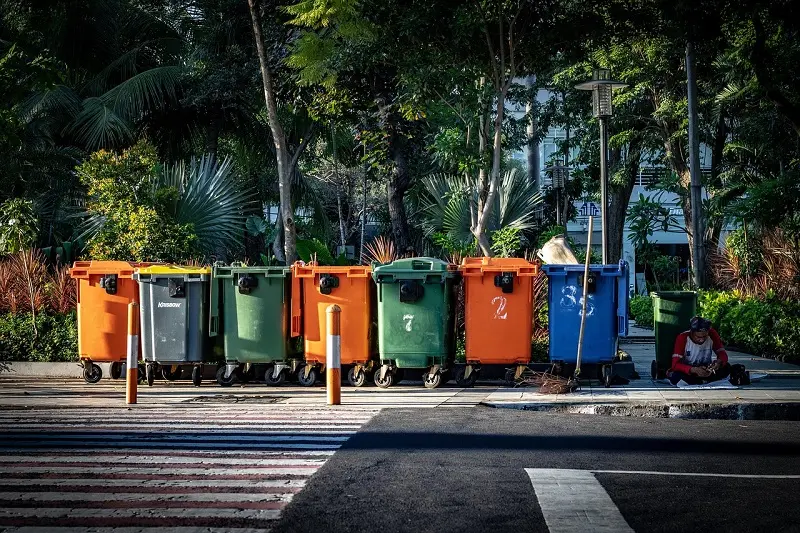
Use trash only as a last resort. It is appropriate when:
1) The pizza box is heavily contaminated with food
2) full of cheese, sauce, and meat
3) moldy
4) non-compostable and non-recyclable.
Although trash disposal contributes to landfill waste, it prevents contamination of recyclable materials.
The waste generated by the pizza industry is massive. In the United States alone, billions of pizza boxes are used annually. While knowing how to recycle pizza boxes is important, reducing waste is even better. Here are some innovations and habits that can help solve the problem at the source.
Some forward-thinking pizza chains are switching to fully compostable, molded fiber containers. They are usually made from compostable fibers, bagasse, or recycled paperboard. These are often round (like the PizzaRound) and do not use liners. They are designed specifically to be thrown into compost bins, eliminating the confusion of separating lids from bottoms. These break down faster and handle grease better.
Restaurants or consumers can use compostable liners, parchment paper, or thin cardboard sheets that prevent oil from saturating the box. After use:
1) remove the liner,
2) recycle the clean box,
3) Compost the liner if appropriate.
Some environmentally conscious restaurants and communities promote reusable metal or silicone pizza containers. Customers return them for cleaning and future use.
Innovative pizza packaging designs, such as partially open-bottom boxes or tray-style containers, reduce the amount of cardboard needed.
Public awareness campaigns help consumers understand how to sort pizza boxes correctly, increasing recycling efficiency.
These alternatives reduce contamination and support a more circular packaging process.
Q: Do pizza boxes get recycled if they have a recycling symbol on them?
A: The symbol indicates the material is recyclable, not that the state of the item is acceptable. A recycling symbol does not override the contamination rule. If it is covered in cheese, the symbol is moot.
Q: Should you recycle pizza boxes that are frozen pizza boxes?
A: Frozen pizza boxes are different. They are often coated with a thin layer of plastic (polyethylene) to protect against freezer burn and moisture. This plastic coating makes them difficult to recycle in standard cardboard pulpers.
Check the package: if it says "plastic coated" or has a shiny, slick surface, it might not be recyclable in your curbside bin.
Q: Can you recycle the receipt stapled to the box?
A: Most thermal receipts contain BPA or BPS and should not be recycled. Furthermore, you should remove staples if possible, though most modern hydro-pulpers can filter out small metal staples.
Pizza boxes represent one of the most common household items that cause confusion in recycling programs. While the cardboard material itself is fully recyclable, grease and food contamination determine whether a pizza box can actually enter the recycling system.
Being informed about your local recycling policies and taking the time to sort materials correctly helps reduce waste and supports the circular economy. Combined with innovations such as compostable packaging, liners, and reusable containers, both consumers and businesses can help address this issue and reduce the environmental footprint associated with pizza packaging.
Whether you are a restaurant owner looking to upgrade your delivery experience or a distributor seeking reliable packaging solutions, the right box makes all the difference in keeping food fresh and customers happy.
At Ancheng, we specialize in manufacturing high-quality, customizable pizza boxes that combine durability with superior design. Made from reclaimed plant fibers, our bagasse containers are naturally oil-resistant and incredibly sturdy. The distinct advantage of this material is that it is fully biodegradable and compostable. This eliminates the confusion of recycling greasy boxes since your customers can simply compost the entire package without separating liners or lids. You ensure your food stays fresh and hot while showing your customers that you care about the planet. Contact us today to get free samples!

Hello, I'm Sven Wang, the Manager of Ancheng. With extensive expertise in raw materials and production processes, I'm dedicated to advancing sustainable tableware and constantly improving eco-friendly options for the modern catering industry. You can trust that Ancheng is committed to providing the highest quality. Welcome!

Factory: Qian Renqiao Industrial Park, Shucheng County, Luan City, Anhui Province, China
Office: Building 11, Max Science Park, Shushan Dist, Hefei, Anhui, China
Copyright ©2026 Anhui Ancheng Bamboo and Wood Tableware Co., Ltd. Privacy Policy


 Index
Index Product
 Resources
 About
About